
Features
Alternative feedstocks - an up to date review
Date: 2012-01-26 15:49:11.0
Author: Plastics Engineering
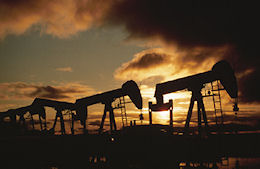 The beginning of the end of the oil era is already causing headaches for fuel producers and plastics producers, as both start searching for potential replacements.
One obvious option is to replace crude oil with some sort of plant material, but so far this has meant producing fuels and plastics that are similar, but not identical, to the oil-derived versions. So in the same way that ethanol and biodiesel are not direct replacements for gasoline and diesel, bioplastics such as polylactic acid and polyhydroxyalkanoates are not direct replacements for conventional plastics such as polyethylene and polypropylene.
The problem is that crude oil is made up of hydrocarbons, which consist solely of carbon and hydrogen, whereas plant materials such as sugar and vegetable oil consist of carbon, hydrogen, and oxygen. The presence of oxygen atoms means that there is no simple way to produce gasoline and conventional plastics from plant material; thus the plant-based fuels and plastics have properties similar—but not identical—to those of the conventional versions. This, in turn, has tended to restrict these plant-based fuels and plastics to niche applications or for use in mixtures with conventional fuels and plastics.
To read the Jon's full article on the Plastics Engineering website, please click here
This article has not been tagged with keywords.